

Memento Mori
Remember that you will die. Not as a morbid threat, but as the Stoics’ most practical tool for deciding how to live.
Memento mori is two Latin words and one uncomfortable instruction: remember that you will die. For the Stoics it was not gloom. It was the fastest way to see what actually matters and to stop wasting the time you have.
What “memento mori” actually means
Literally, memento mori means “remember (that you have) to die.” It is usually loosened to “remember death” or “remember you are mortal.” The point is not to dwell on dying. It is to let the certainty of death sharpen how you live less anxious about trivial things, more deliberate about the few that count.
The origin story is shakier than you’ve heard
You’ve probably heard that a victorious Roman general rode through his triumph while a slave stood behind him whispering “memento mori.” It’s a great story. The evidence for it is thin.
The earliest source the Christian writer Tertullian, 2nd century CE describes the reminder differently, closer to “look behind you; remember you are a man.” Historians such as Mary Beard note that our sources for the ritual are fragmentary and contradictory; the crisp phrase and the whispering slave owe more to Renaissance moral art than to documented Roman practice. We mention this because taking these ideas seriously means getting them right.
Why the Stoics kept death in view
What is well attested is that the Stoics used mortality on purpose. Keeping death in view was a daily exercise — a way to strip illusions, blunt fear, and act well now, while you still can.
Do not act as if thou wert going to live ten thousand years. … While thou livest, while it is in thy power, be good.
Marcus Aurelius, Meditations (trans. George Long)
While we are postponing, life speeds by.
Seneca, Letters (trans. Richard Gummere)
Let death … be daily before your eyes … and you will never entertain any abject thought.
Epictetus, Enchiridion (trans. Elizabeth Carter)
How to practise it
Memento mori is meant to be used, not admired. A few ways to put it to work:
- Bookend the day with it. A minute treating today as borrowed, not owed, changes how you spend it.
- Use it on small grievances. Measured against death, most of what irritates us shrinks to its real size.
- Let it set priorities, not panic. The question isn’t “what if I die tomorrow?” but “given that I will, what deserves today?”
- Pair it with negative visualisation. Briefly picturing loss keeps you from taking what you have for granted.
“Since it is possible that thou mayest depart from life this very moment, regulate every act and thought accordingly.”
— Marcus Aurelius, Meditations (trans. George Long)
Keep reading
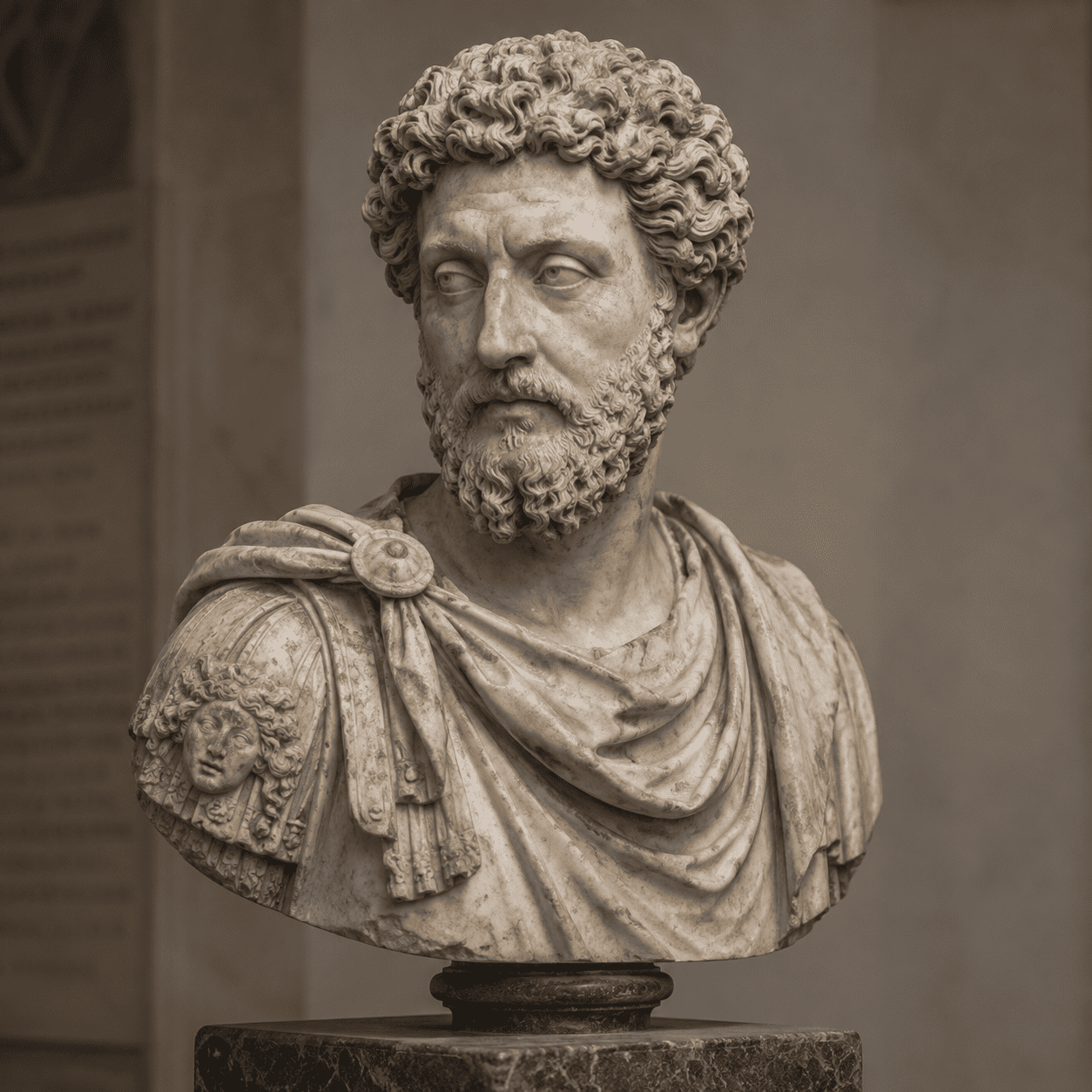
Marcus Aurelius
The emperor who practised remembering death every morning.
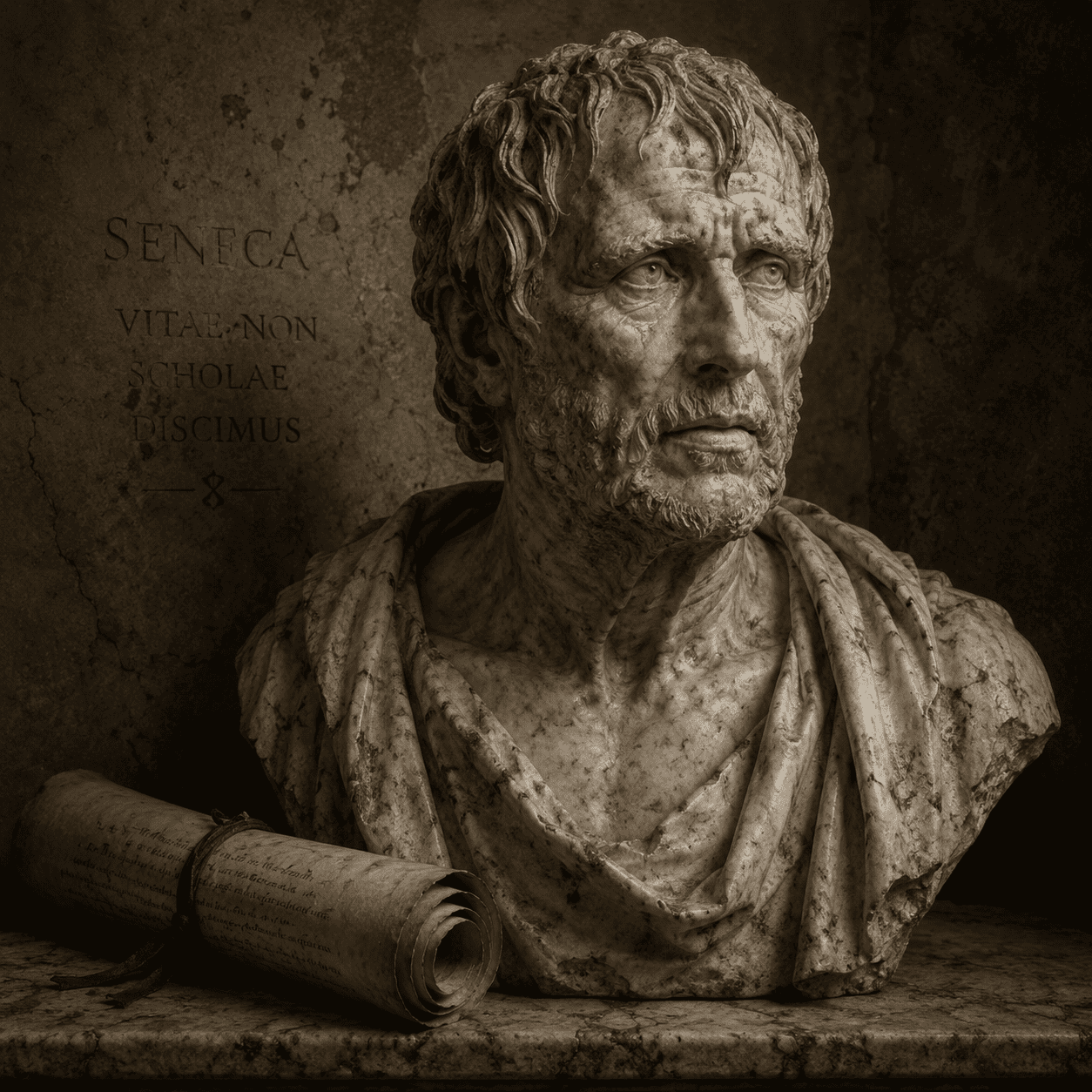
Seneca
On the shortness of life and why we waste it.

Stoicism
The wider philosophy this practice belongs to.