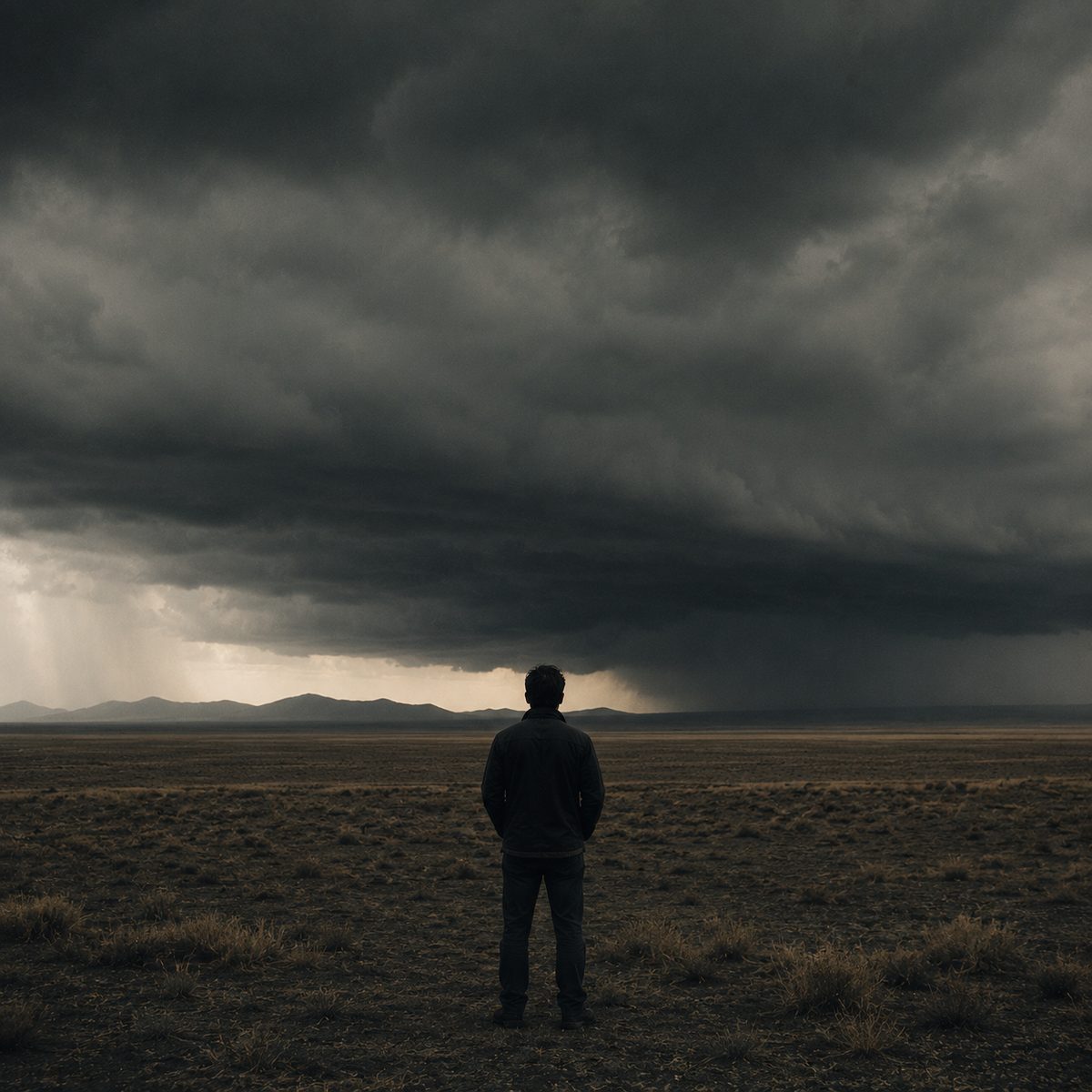
Premeditatio Malorum: The Stoic Art of Negative Visualization
Most modern advice tells you to visualise success picture the win, manifest the outcome. The Stoics did almost the reverse. They deliberately rehearsed loss, failure, illness and death, in advance and on purpose. They called it the premeditation of adversity premeditatio malorum and, counterintuitively, it’s one of the most calming practices they left us.
It sounds morbid. Done well, it’s the opposite of anxiety: a way to take the sting out of what you fear by meeting it first in your imagination. Here’s what it is, why it works, and how to do it without spiralling.
What it is
The practice is simple. Instead of assuming things will go well, you spend a few deliberate minutes imagining they don’t. The project fails. The flight is cancelled. The diagnosis is bad. You lose the job, the money, the person. Seneca made it a standing rule:
Let us think of everything that can happen as something which will happen.
Seneca, Moral Letters 24 (trans. R. M. Gummere)
This isn’t pessimism, which expects the worst and stops there. It’s preparation: you look squarely at what could happen so it can’t ambush you. Modern writers call it “negative visualisation”; the Stoics treated it as basic mental hygiene.
Why rehearsing the worst calms you down
Three reasons it works:
- It removes the shock. Surprise is half the pain of any blow. Marcus Aurelius opened his day by anticipating the difficult people he’d meet, precisely so they couldn’t catch him off guard premeditation applied to other humans (more on that in our piece on kindness vs. anger).
- It restores gratitude. Vividly imagine losing what you have your health, the people you love — and you stop taking them for granted. Negative visualisation is a back door into appreciation.
- It shrinks the fear. Most dread lives in the vague. Name the specific worst case and it usually turns out survivable. “Whatever can happen at any time can happen to-day,” wrote Seneca and noticing that, oddly, makes today lighter rather than heavier.
Begin the morning by saying to thyself, I shall meet with the busybody, the ungrateful, arrogant, deceitful, envious, unsocial.
Marcus Aurelius, Meditations 2.1 (trans. George Long)
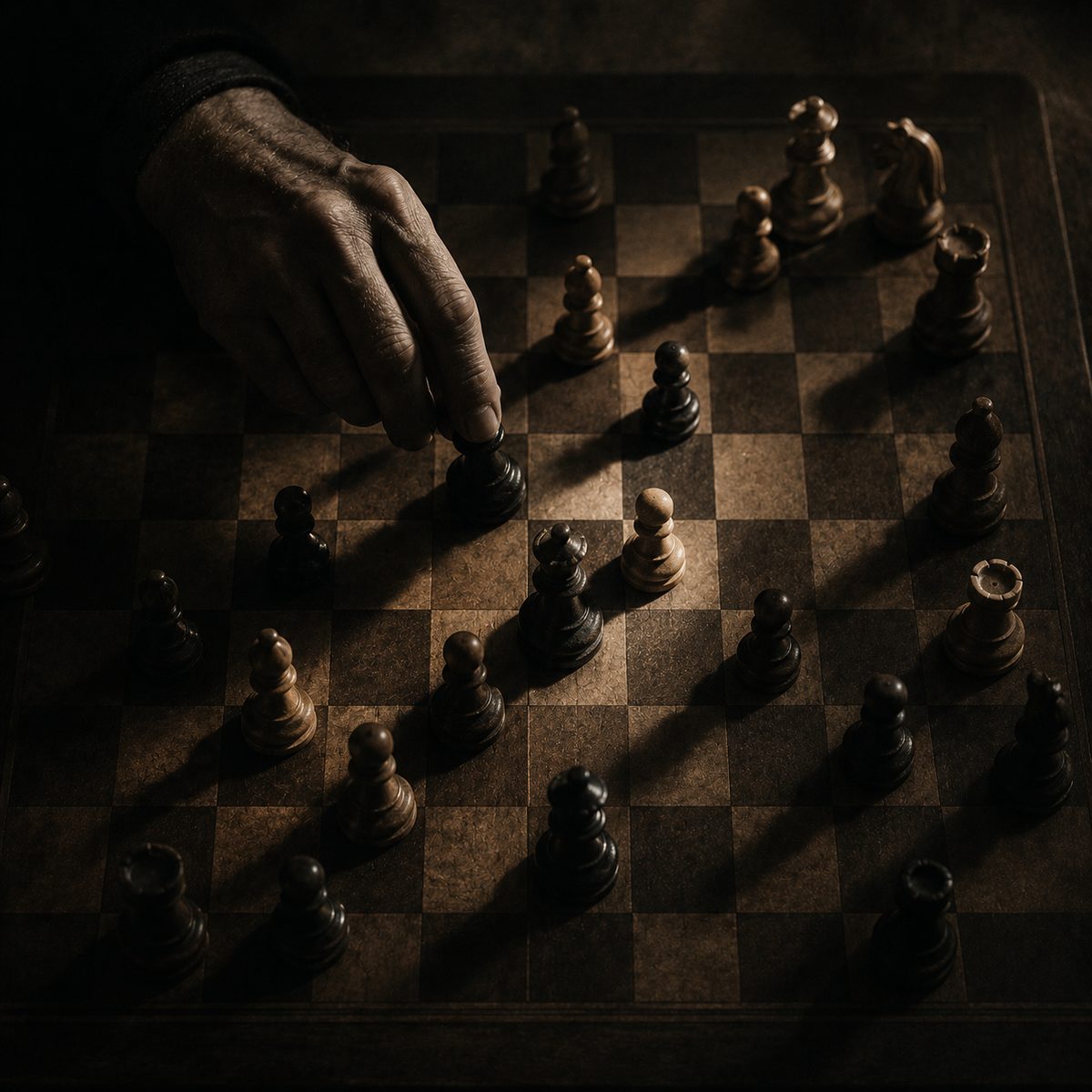
How to do it without spiralling
The line between useful premeditation and 3am catastrophising is technique. Four rules keep it on the right side:
- Keep it brief and deliberate. A few minutes, chosen on purpose not an open-ended worry loop. The exercise has a start and a stop.
- Rehearse your response, not just the disaster. The point isn’t to picture the loss; it’s to picture yourself meeting it with composure: “If this happened, here is how I’d handle it.”
- End in the present. Close by noticing what you still have right now. The exercise should leave you grateful, not grim.
- If it tips into real anxiety, stop. For some people and some fears, rehearsing the worst feeds the spiral instead of draining it. If that’s you, this particular tool isn’t mandatory — leave it.
The Practical Philo’s read
Most people running this exercise are running anxiety drills and calling it Stoicism. They picture the catastrophe, freeze, and end up worse than when they started. That isn’t the practice. The Stoic version takes maybe ninety seconds: imagine the loss clearly, without rushing past it; notice that you would still be alive on the other side; notice that what you actually rely on your character, your decisions, how you respond is still yours.
Then you stop. The second half is the whole thing. Skip it and you’ve just run yourself through a panic for no reason. Done properly the exercise calms you down. Done halfway it ruins your week. The discipline is the finishing move, not the picturing.
A 3-minute version
Try it once. Pick one thing you’re quietly anxious about. Spend one minute imagining it going wrong, in concrete detail. Spend the next minute imagining yourself responding with steadiness what you’d actually do. Spend the last minute back in the present, noticing that it hasn’t happened, and that most of what you value is still here. That’s the whole practice. The Stoics ran it daily.
Visualising success feels good and changes little. Visualising loss feels uncomfortable and changes a lot: it drains fear, sharpens gratitude, and leaves you harder to ambush. That is the strange gift of premeditatio malorum you look at the dark on purpose, so it has less power over you in the light.
Related reading
Sources
- “Negative visualization” (premeditatio malorum) Wikipedia.
- Seneca, Moral Letters to Lucilius, Letter 24 and Letter 63, trans. R. M. Gummere (public domain) Wikisource.
- Marcus Aurelius, Meditations 2.1, trans. George Long (public domain) Standard Ebooks.