
Stoicism vs Epicureanism: Virtue or Pleasure?
They started within a generation of each other, in the same Athens, chasing the same prize a calm, unshakable life and reached opposite conclusions about how to get there. The Stoics said: pursue virtue, and treat everything else as indifferent. The Epicureans said: pursue pleasure, properly understood, and let the rest go. Two of the most influential life-philosophies ever built, designed as rivals.
It’s worth getting the comparison right not least because “Epicurean” has come to mean almost the opposite of what Epicurus actually taught.
First, clear up the myth
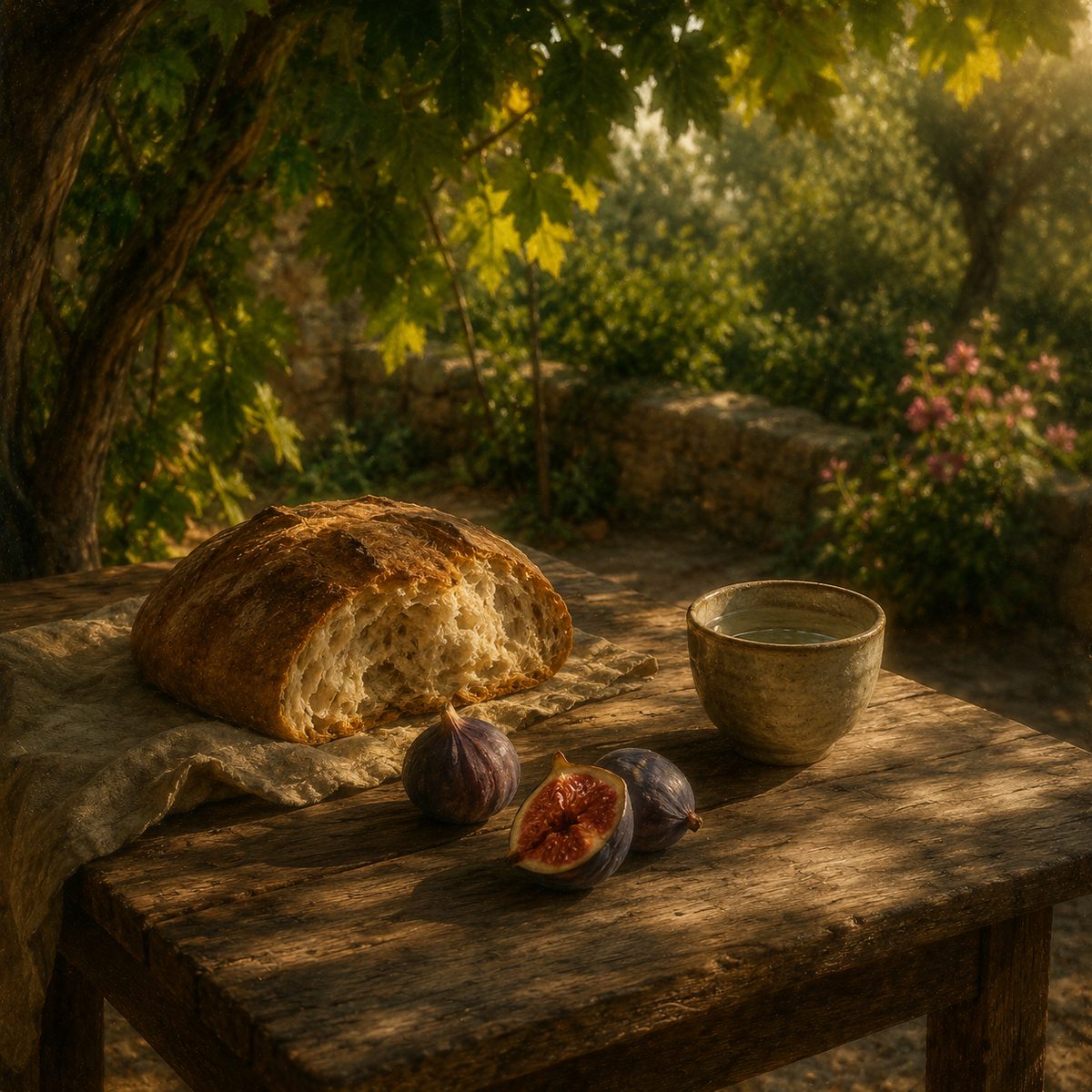
Today “epicurean” suggests a lover of fine food and luxury. Epicurus would have been baffled. He lived on bread, water and the occasional scrap of cheese, and taught that the secret to pleasure is wanting little. His “pleasure” wasn’t indulgence; it was the absence of pain and anxiety a calm, contented baseline. Hold on to that, because the real contrast with Stoicism is subtler than “discipline versus hedonism.”
Where they agree
- Tranquillity is the prize. Both aimed at an unshakable calm the Stoics called it apatheia (freedom from destructive passion), the Epicureans ataraxia (freedom from disturbance).
- Philosophy is therapy. Both treated philosophy as a practical cure for human suffering, not an academic pastime.
- Externals are overrated. Both taught that wealth, fame and luxury are not the road to happiness, and that fearing what you can’t control is wasted energy.
- The mind matters most. Both prized mental peace far above bodily comfort.
Where they split
- The goal: virtue vs pleasure. For Stoics, virtue is the only good and the whole point; pleasure is an “indifferent.” For Epicureans, tranquil pleasure is the point, and virtue matters because it reliably produces it. The Stoic is good for its own sake; the Epicurean, for the peace it brings.
- The universe: providence vs atoms. Stoics saw a rational, providential cosmos ordered by logos, and counselled aligning with fate. Epicurus saw atoms colliding by chance no grand plan, and gods who exist but take no interest in human affairs.
- Death: meet it vs it’s nothing. Stoics faced death as a natural part of the whole, to be met with equanimity. Epicurus argued death is simply annihilation: while we exist death is not present, and when death comes we no longer exist so there is nothing there to fear.
- Engage vs withdraw. The big practical fork. Stoicism pushes you into the world: serve, lead, do your duty. Epicurus advised the reverse “live unnoticed,” withdrawing from politics and ambition into a quiet garden of friends.
Which is right for you?
They’re less enemies than two answers to one question. If your instinct is that a good life means contributing showing up for work, family and society, doing the right thing even when it costs you Stoicism is your tradition, which is why this site leans Stoic. If your instinct is that a good life means a small, peaceful circle good friends, simple pleasures, freedom from the rat race Epicurus is speaking your language. Most of us, honestly, want some of each: the Stoic’s spine in public and the Epicurean’s contentment at home. (For another angle on this kind of contrast, see Stoicism vs Buddhism.)
Two schools, one Athens, one goal a life that can’t be shaken. The Stoics built it on character; the Epicureans on contentment. Twenty-three centuries later, we’re still choosing between, and borrowing from, both.
The Practical Philo’s read
Epicurus has been done dirty by the word “epicurean.” He’d back you in the choice that made you durably calm, not the one that made you feel good for an hour. By that test his actual life looked a lot more like a Stoic monastery than like the lifestyle his name now sells.
The real fight between the two schools is smaller than the labels make it sound. Both produce a person who isn’t run by their wants. Both want the same end state. They just disagree on the route: virtue as the goal versus virtue as the most reliable route to the goal. Pick one if you want. But most people who confidently take a side haven’t actually read either.
Related reading
Sources
- “Epicurus” Internet Encyclopedia of Philosophy; “Epicureanism” Britannica.
- “Stoicism” Internet Encyclopedia of Philosophy.