
The Four Stoic Virtues: Wisdom, Courage, Justice, and Temperance
The four Stoic virtues — wisdom, courage, justice, and temperance — explained, with what each means and how to use them as a daily decision filter.
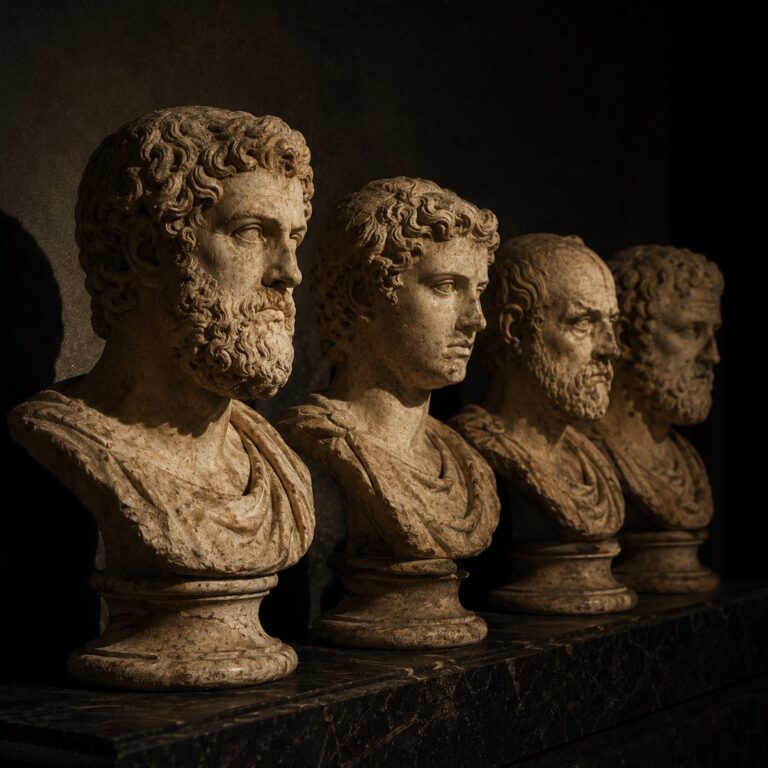
The four Stoic virtues — wisdom, courage, justice, and temperance — explained, with what each means and how to use them as a daily decision filter.

A practical Stoic morning routine in four steps, drawn from Marcus Aurelius and Epictetus — how to start the day with clarity instead of reaching for your phone.

Stoicism and Buddhism reach strikingly similar advice from very different foundations. A clear, fair comparison of what they share — and where they part ways.

Premeditatio malorum — the Stoic practice of negative visualization. What it is, why rehearsing the worst calms you, and how to do it without spiraling into anxiety.
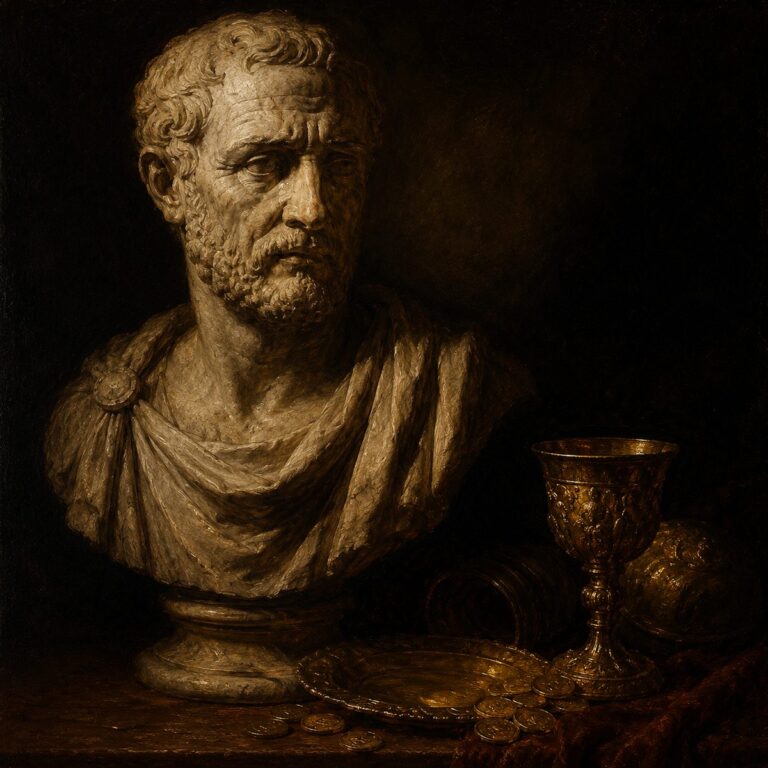
Seneca preached that wealth doesn’t matter — while being one of Rome’s richest men. Was the Stoic a hypocrite? An honest look at the charge and his defense.

Is Ryan Holiday a real Stoic or just a great marketer? An honest, fair look at what The Daily Stoic gets right — and where it falls short.

A free, concrete 7-day memento mori practice — one short Stoic exercise a day, drawn from Seneca, Epictetus and Marcus Aurelius. No coin or tattoo required.

Burnout isn’t a willpower problem. A field guide to three Stoic tools — the dichotomy of control, an audit of your time, and journaling — for overworked high-performers.

Born a slave and left lame, Epictetus became the Stoic teacher whose handbook shaped the emperor Marcus Aurelius. His core idea: the dichotomy of control.
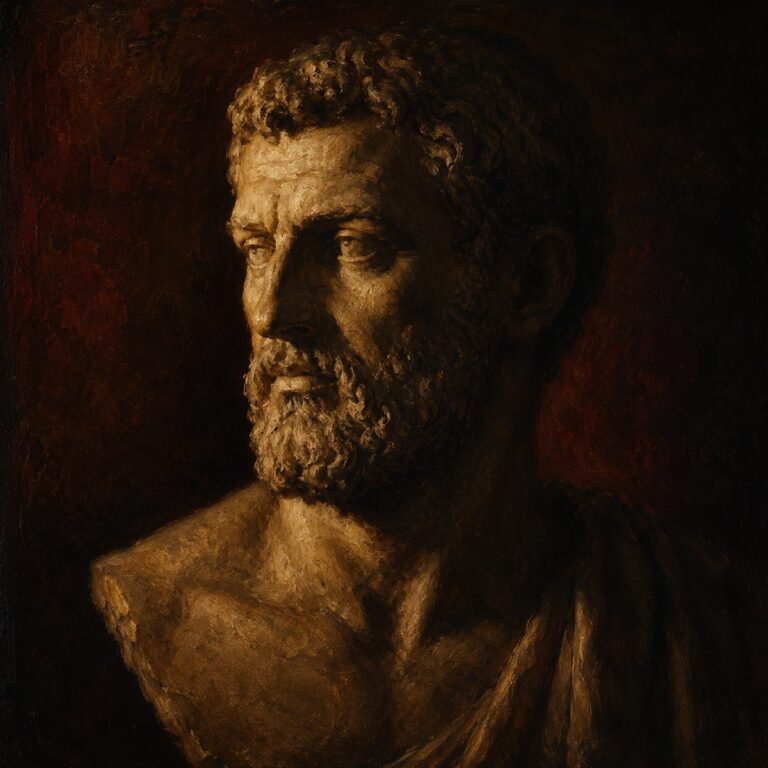
Marcus Aurelius called gentleness “more manly” than anger. Here is what the Meditations actually teaches about anger, kindness, and strength — beyond bro-Stoicism.